Grossglockner Pass
About this road
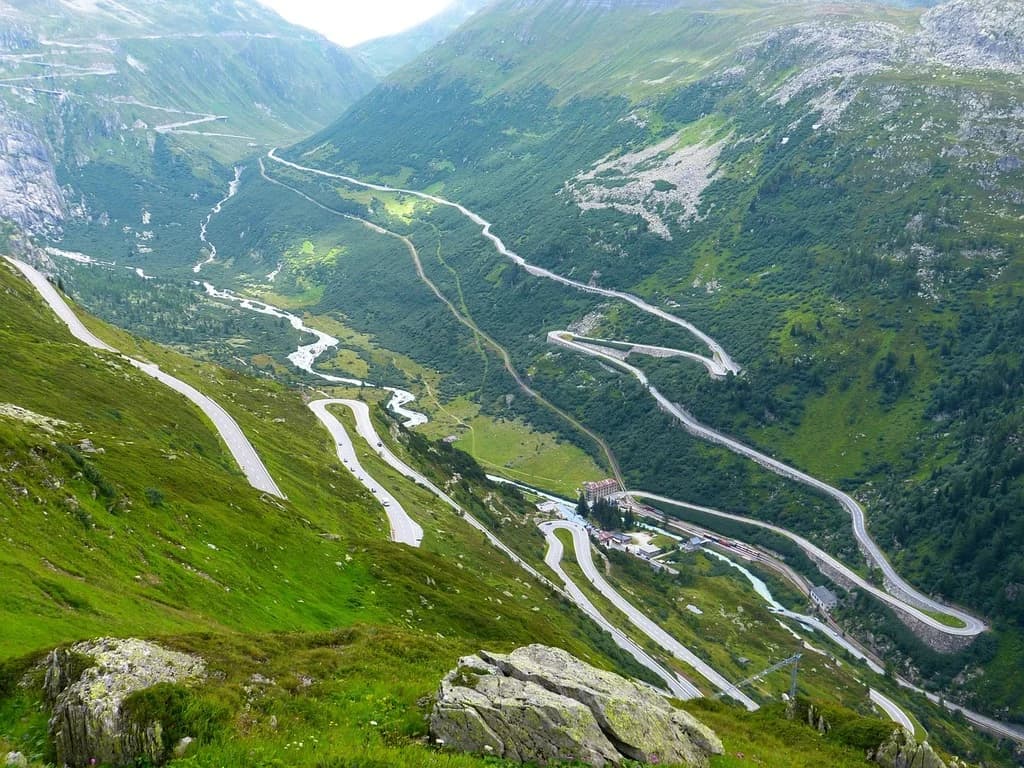
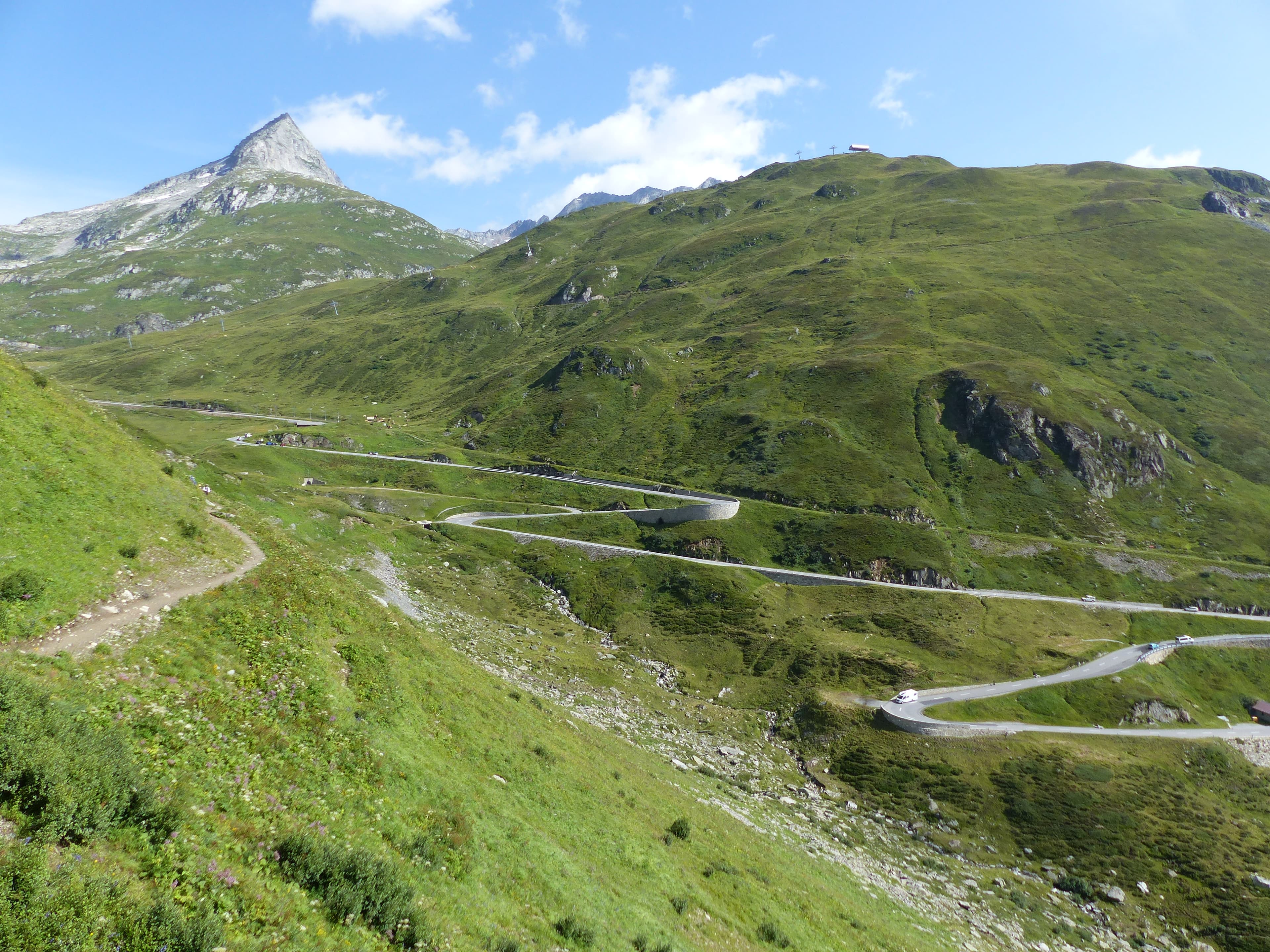
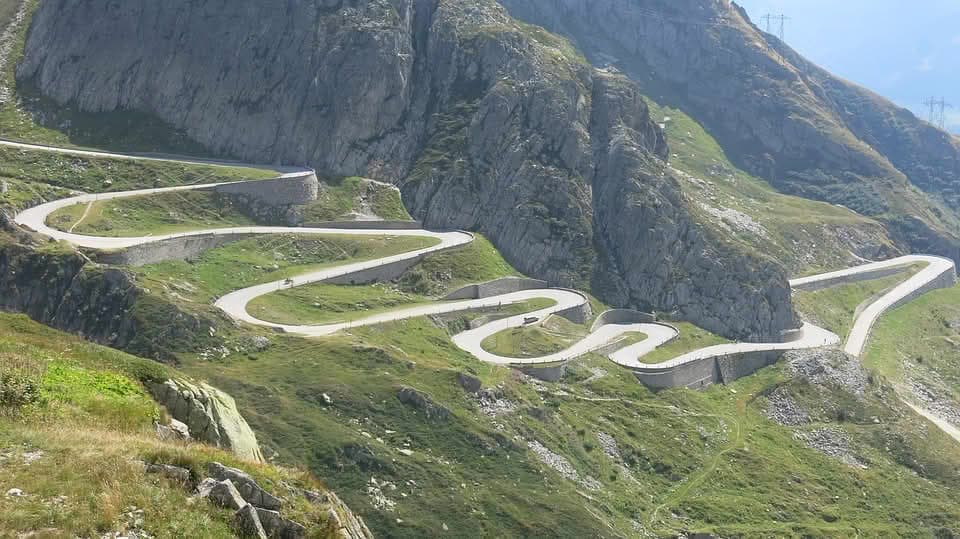
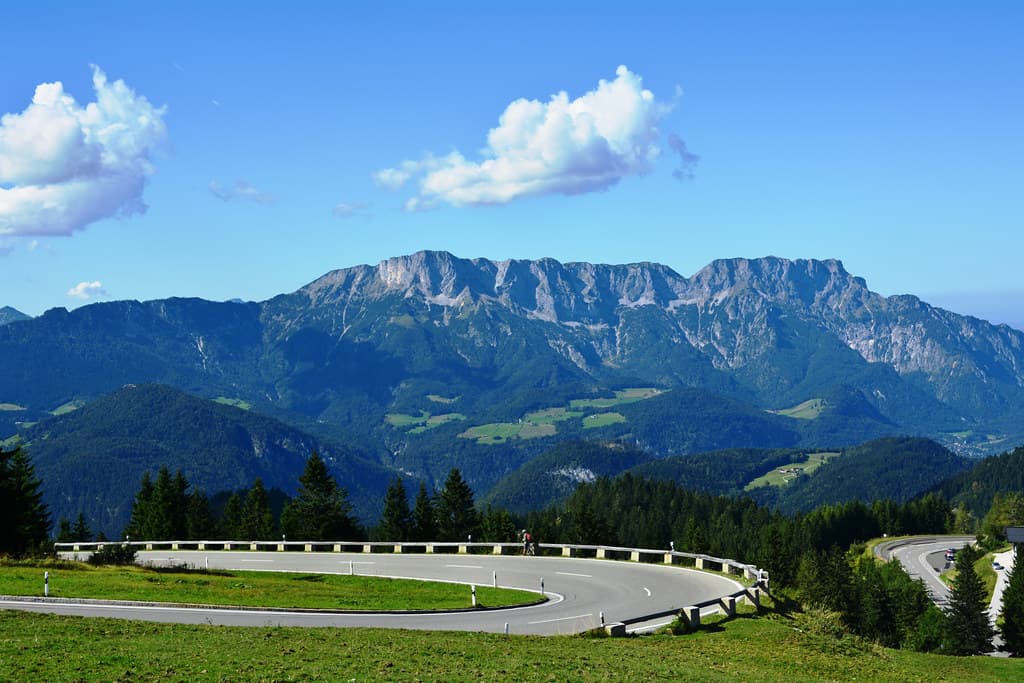
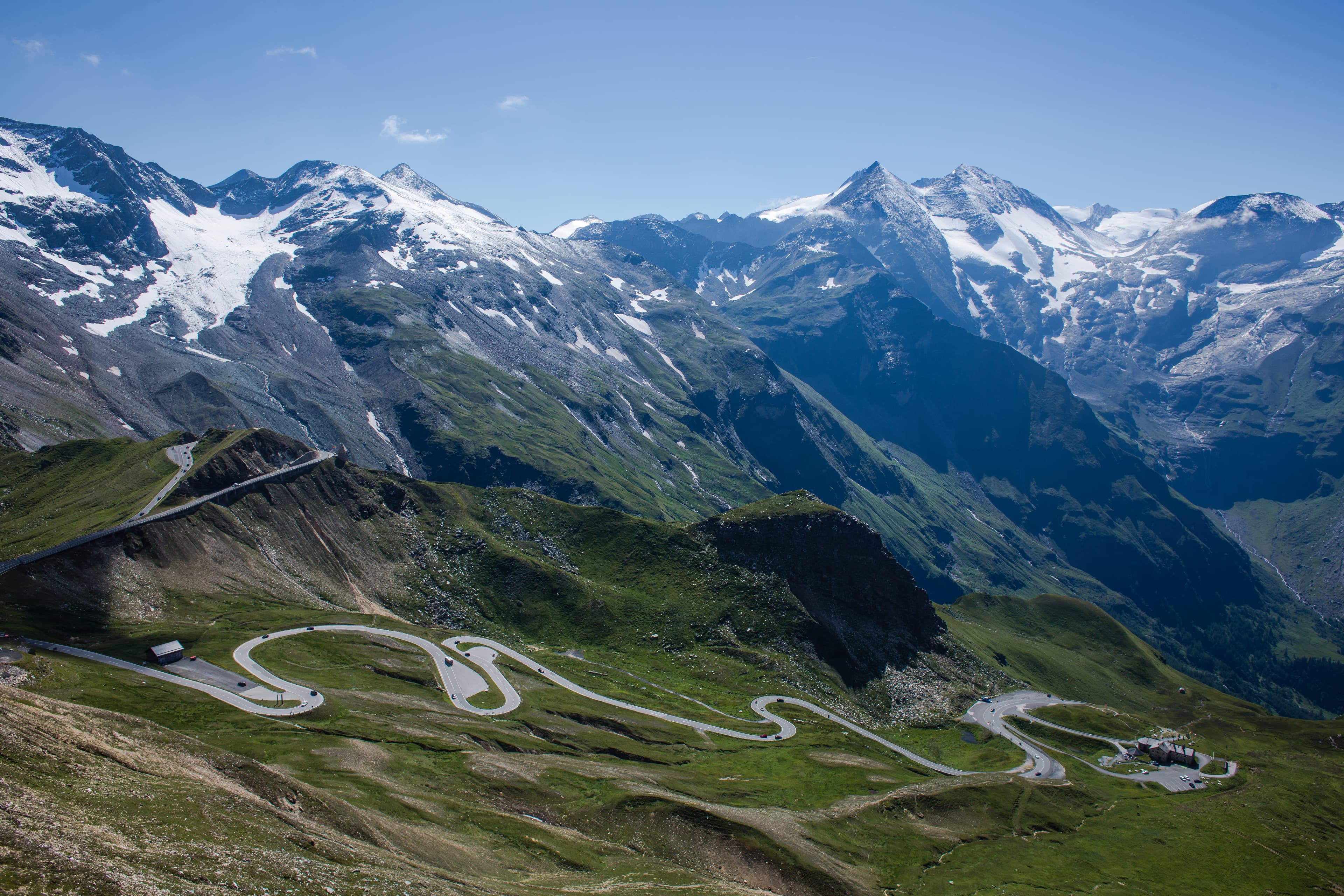
The Grossglockner High Alpine Road is the most complete alpine driving experience in Austria. Thirty-six named bends, 48 kilometres, and a summit at 2,504 metres on the Edelweissspitze spur — plus a parallel tourist branch with its own set of switchbacks and a genuinely panoramic terminus at the Kaiser-Franz-Josefs-Höhe above the Pasterze glacier.
Unlike Furka or Stelvio, the Grossglockner is a purpose-built scenic road rather than a transit pass. A toll is collected at the gates (approximately €44 per car at the time of writing, multi-day and annual tickets available), the surface is consistently excellent, and the engineering is immaculate. There is a reason it holds European Historic Monument status — this is an ÖAMTC showpiece.
Drive north to south for the best sequencing. Start at Bruck and climb through the forest, break out above the tree line at Edelweissspitze, then drop south toward Heiligenblut via the famous hairpin cascade. The Kaiser-Franz-Josefs-Höhe spur adds another hour but is worth it for the glacier view.
Open from early May to late October, the Grossglockner is a daylight-only road — gates close around 17:30 in shoulder season, 20:00 in high summer. It gets busy. Mid-week mornings before 09:00 are the window. Pair it with the Gerlos Pass and the Timmelsjoch for a three-day Austrian Alps loop starting and finishing in Munich or Salzburg.
Expect marmots, tour buses, and the single best-engineered alpine road on the continent. Bring cash or card for the toll.
Where this road fits
- Part of
- Austria
- Category
- Alpine passes
- Featured in itineraries
- Austrian Alps & Grossglockner (4 days)
Frequently asked questions
When is the Grossglockner Pass open?
The Grossglockner Pass is open year-round, though conditions vary with the seasons. Check the current status panel before heading out.
How long does it take to drive the Grossglockner Pass?
The Grossglockner Pass is 48 km long. At a steady mountain pace, expect roughly 48 minutes behind the wheel — plus photo stops.
Can I drive the Grossglockner Pass in a lowered or sports car?
Caution is needed. The surface is excellent, with steep gradients and narrow sections that can cause scraping on lowered cars. Drive the Grossglockner Pass with care.
Is there a toll on the Grossglockner Pass?
Yes, a toll is collected on the Grossglockner Pass. Rates vary by vehicle and season — check the official source before travelling.
What's the best time of day to drive the Grossglockner Pass?
Early morning is unbeatable on the Grossglockner Pass. Tourist coaches, cyclists and slow-moving caravans build up from mid-morning; first light also gives the cleanest photos. If you can only go in the afternoon, aim for after 17:00 when traffic thins again.
At a glance
- Elevation
- 2,504m
- Length
- 48 km
- Hairpins
- 36
- Surface
- Excellent
- Difficulty
- moderate
- Toll
- Yes
Car suitability
Current conditions
No recent reports — be the first to report conditions on this road.
From the community
Real photos from drivers who've been. Upload yours.
No photos yet. Be the first.
Photos are reviewed before publishing.