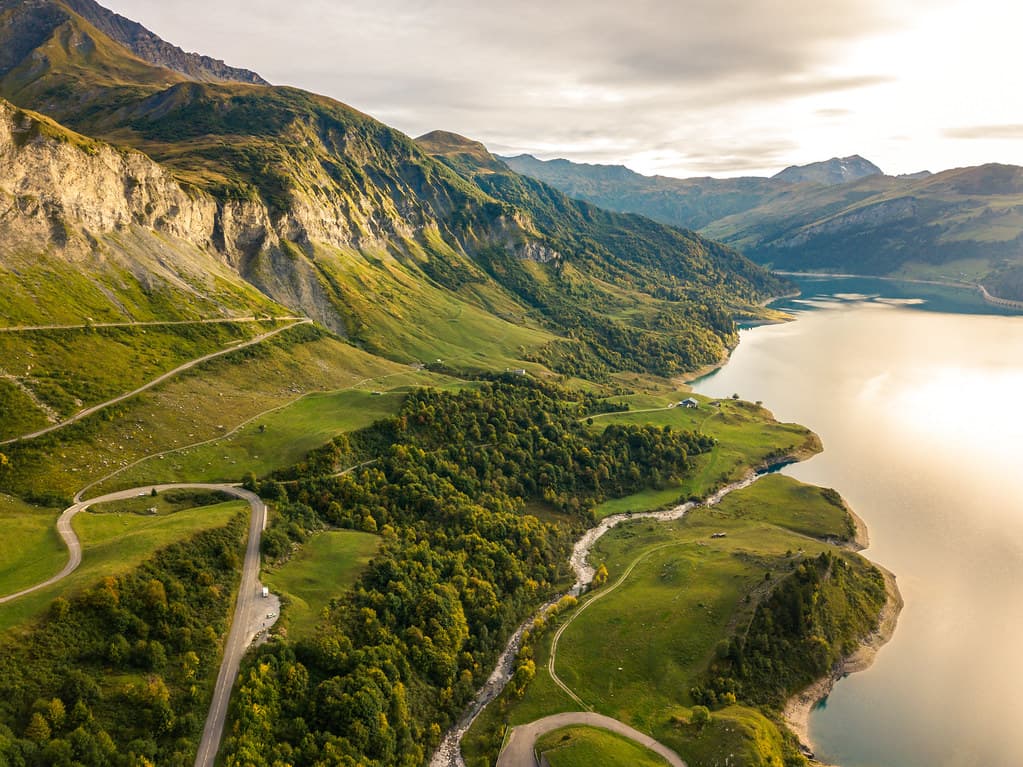
The short answer
If you only read one paragraph: mid-June through mid-September is the safe window for an alpine driving trip. Every major pass is reliably open, weather is stable enough to plan around, and high-altitude roads like the Stelvio and Iseran have been cleared of snow for weeks. The single best fortnight is early to mid-September — everything is still open, the coach tour traffic has thinned, and mountain light starts to angle.
The longer answer is that the Alps are not one mountain range with one season. They run from the Cote d'Azur to the Slovenian border, and the difference between the Maritime Alps in April and the Austrian Alps in April is the difference between a T-shirt and a closed road. What follows is month-by-month, aimed at a driver planning one to two weeks on the greatest roads.
January to March: forget it
High passes are closed. Even the year-round ones — Julier, Maloja, the San Bernardino tunnel route — require snow tyres and sometimes chains. If you are specifically here to drive the winter-open passes in snow, with a proper car and a guide, that is a different trip. For the enthusiast on a bucket-list drive, there is nothing available in January that would not be better in June.
April: the first tease
Low passes below ~1,800m start reopening from mid-April — Brunig, parts of the Deutsche Alpenstrasse, some of the Maritime Alps. The big names are still buried. The problem in April is less what is closed and more that nothing is predictable: a late storm can drop 40cm of fresh snow overnight, and you'll find yourself re-routing on a daily basis. If you have flexibility, April can work for a low-altitude scenic trip (Alpenstrasse, lake country). Do not plan a trip around the Furka, Stelvio or Grossglockner this month.
May: watch the altitude
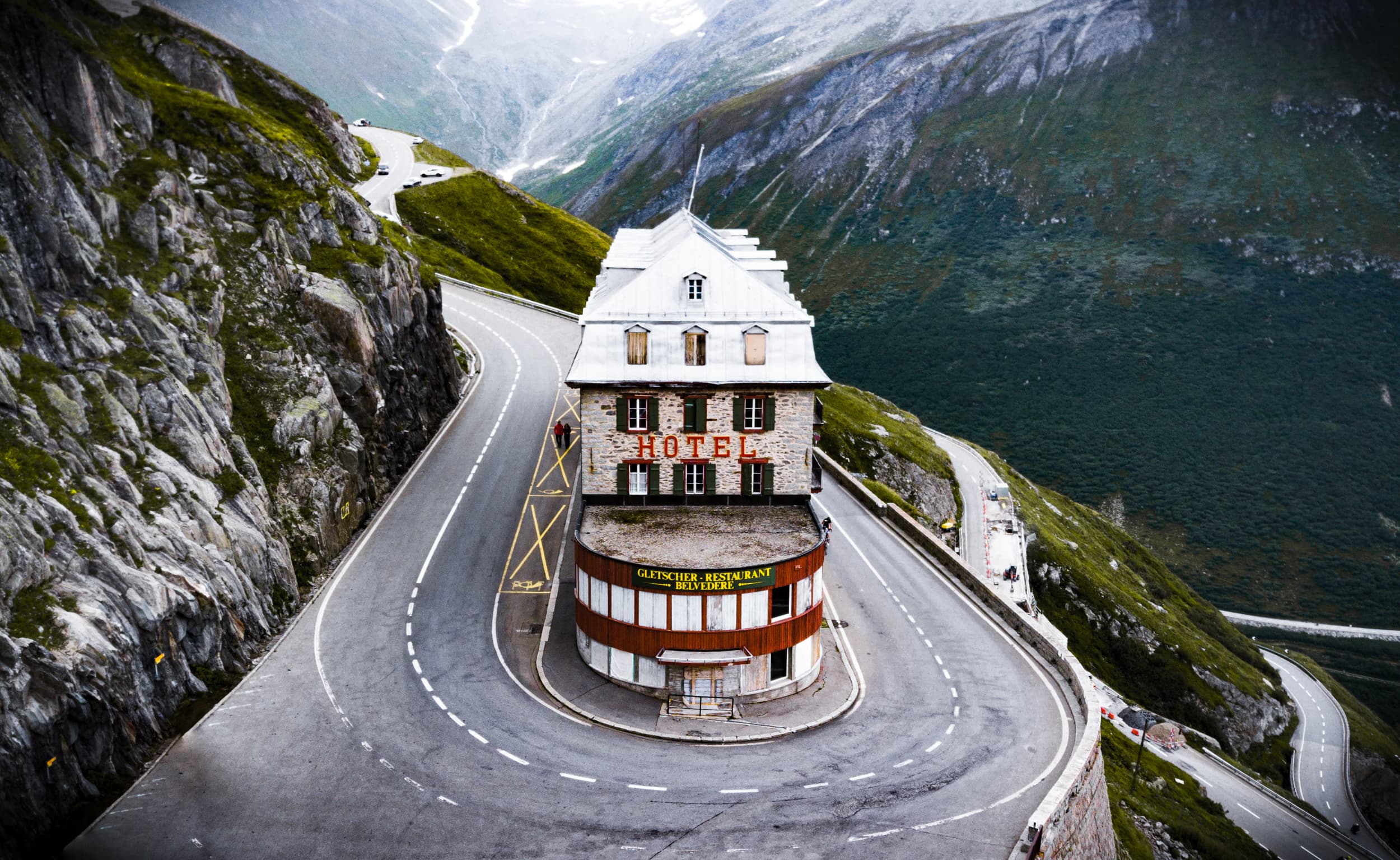
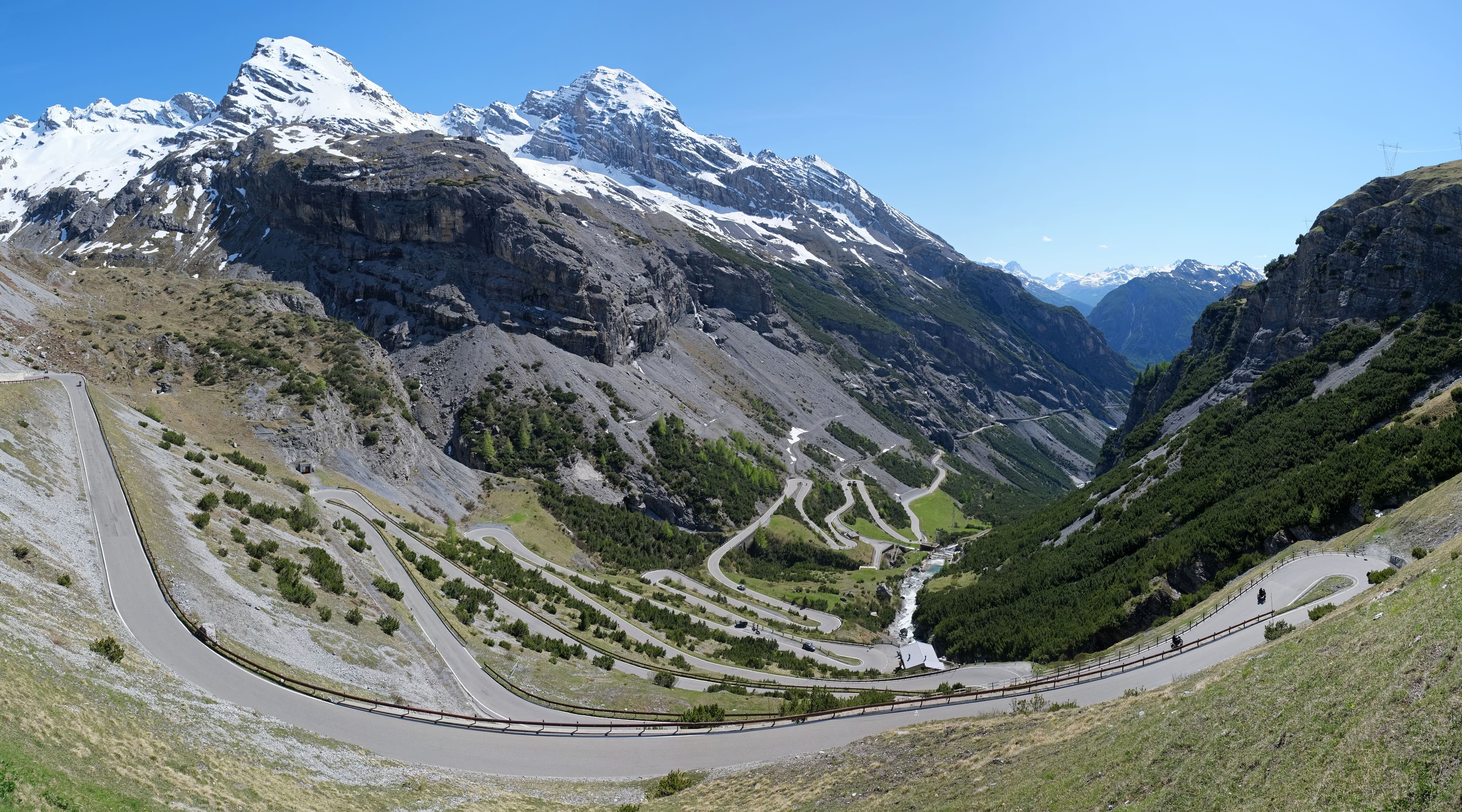
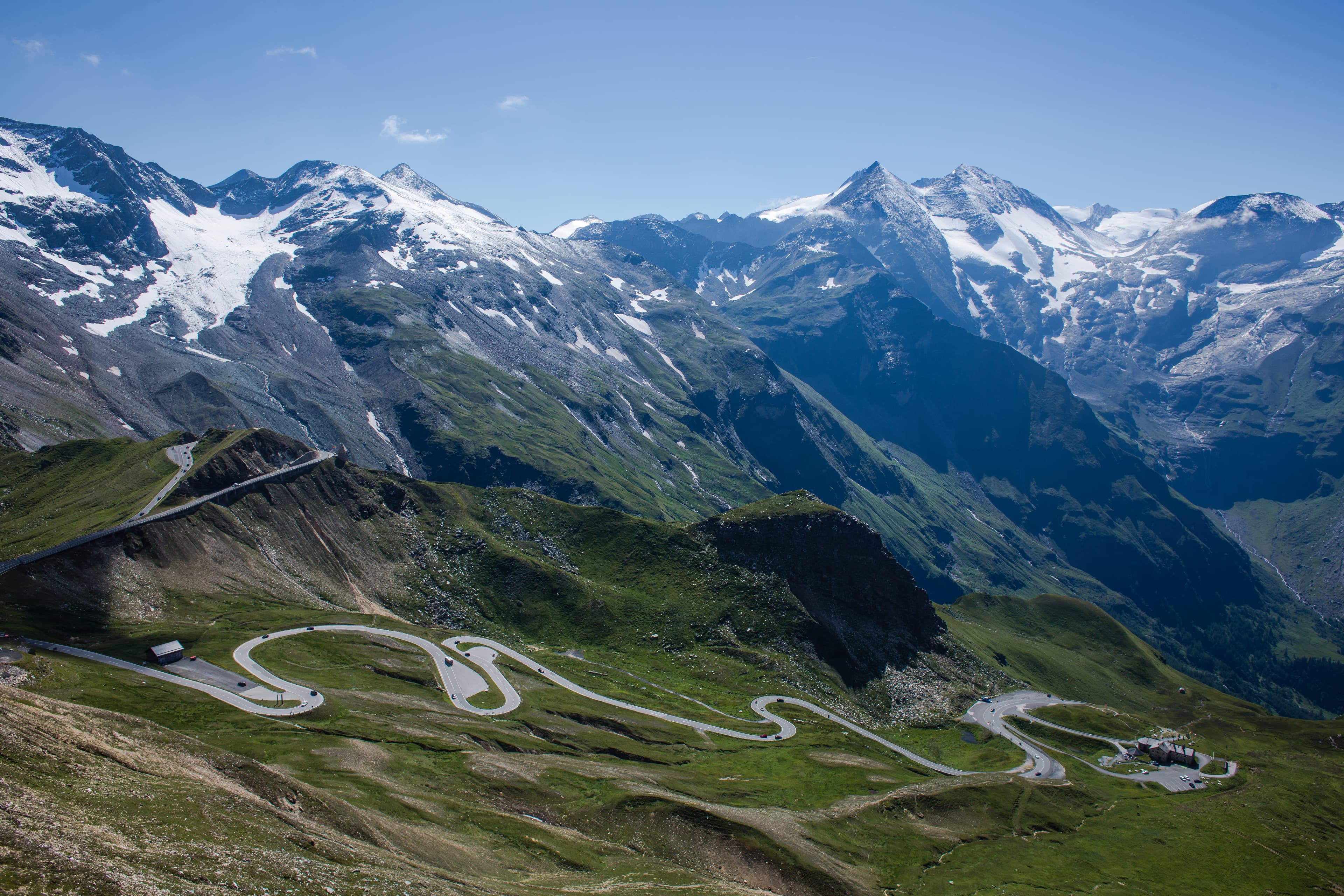
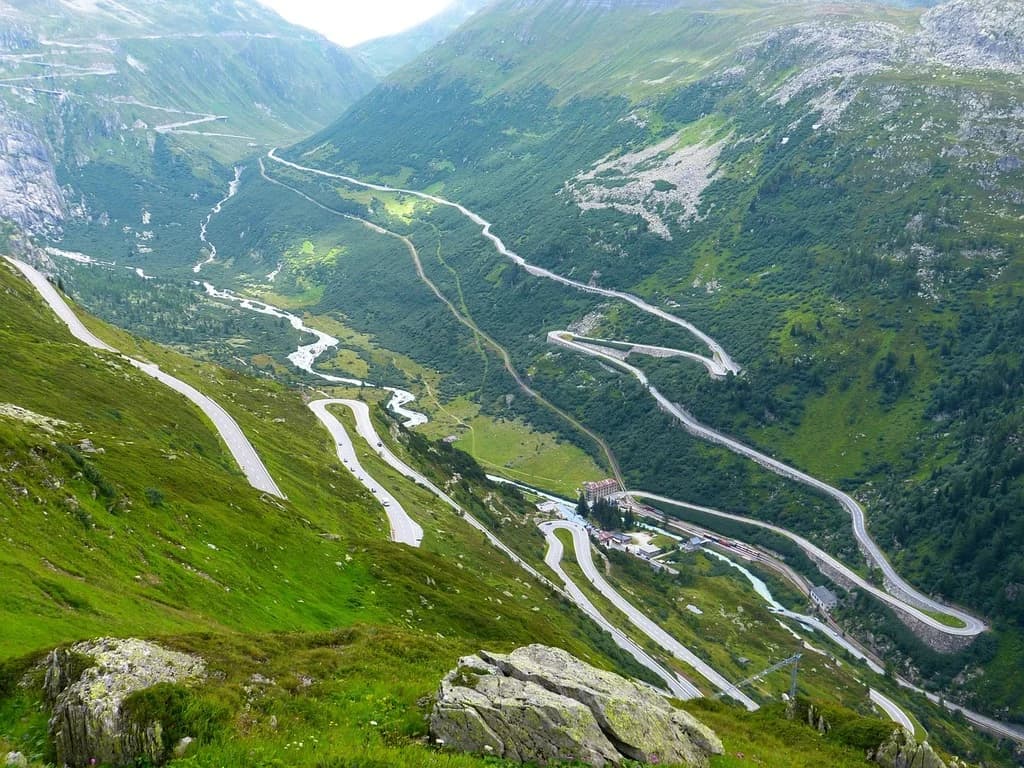
May is when mid-altitude classics start opening — typically the Albula, Klausen, Susten and Grossglockner reopen in the second half of the month. The Furka, Grimsel and Stelvio usually hold out until the first week of June. The Iseran is routinely the last major pass to open, often not until mid-June.
May weather is the bigger issue than May closures. The jet stream is still unstable; clear mornings turn into snow-on-the-summit afternoons without much warning. Pack waterproofs and an extra mental day for weather. Photography is excellent — waterfalls are at peak melt, meadows are carpeted in yellow, valleys are still green. If you are photography-first and can tolerate schedule changes, May is the hidden-gem month.
June: the window opens
By the second week of June, every major pass in the Alps is open. The Iseran is typically the last to go, usually around the 15th. Weather is warm at valley level, cool at altitude, and stable enough that a week-long plan will mostly survive first contact with reality.
The caveat: June is also when motorcycle traffic starts. On weekends, the Furka is thick with Swiss and German bikes from 9am, the Stelvio is thick with Italian ones, and the Grossglockner becomes a parade. Drive weekdays, or drive early.
July: peak season, peak traffic
July is the driving warmth, the most stable weather and the worst traffic. Italian schools are out, German families are heading to Lake Garda, the Grossglockner tour buses run every fifteen minutes. If you must drive in July, the tactic is:
- Be at the first pass of the day before 8am
- Avoid weekends entirely
- Use the lesser-known alternatives (Albula, Nufenen, Timmelsjoch) over the big names (Furka, Stelvio, Grossglockner)
August: the worst single month
All the July problems, plus the French and Swiss holiday exodus. Hotels are fully booked and expensive. Every pass is at capacity. The one thing August has going for it is absolute weather reliability — if you are photographing, this is the month with the fewest wasted days. If you are driving, find another month.
September: the sweet spot
Mid to late September is the single best fortnight of the year for a driving trip in the Alps. Passes are all still open, weather is still stable, coach traffic has dropped off cliff-edge after the last weekend of August, hotels are suddenly available, and mountain light starts angling low enough to make everything look dramatic.
The Grossglockner and Stelvio typically close in late October; there is roughly a six-week window from early September through mid-October when everything lines up. If you can choose when to fly in, choose this.
October: the last gasp
The first week or two of October is still viable for mid-altitude passes. High-altitude roads start closing — the Iseran usually first, the Timmelsjoch next. By the end of October most of the big names are closed for the season.
The advantage of late October is empty roads and autumn light. The disadvantage is unpredictability: you can wake up to find your planned Stelvio run cancelled by an overnight closure. Always have a plan B at altitude.
November and December: closed
High passes are closed. Most mid-altitude passes are closed. The year-round routes are technically open but require winter tyres (legally required) and often chains. This is ski season, not driving season. Come back in June.
The two-week rule
If you have total flexibility and want the best possible odds, book the first fortnight of September. If you cannot do September, the second fortnight of June is the next best choice — everything is open, traffic is lighter than July, and weather is stable. Everything else is a compromise.
What to check before booking
- Which passes need to be open for your plan to work? Identify them, look up their historical open/close dates, and plan accordingly.
- Are you flying into the right airport? If the Stelvio is your anchor drive and you land in Munich, you've added three hours of transit each way. Land in Verona or Milan.
- Do you have a plan B? Even in perfect weeks, one pass will close. Know what you drive instead.
- Have you padded for weather? A week-long trip should have one flex day built in. Two-week trips should have two.