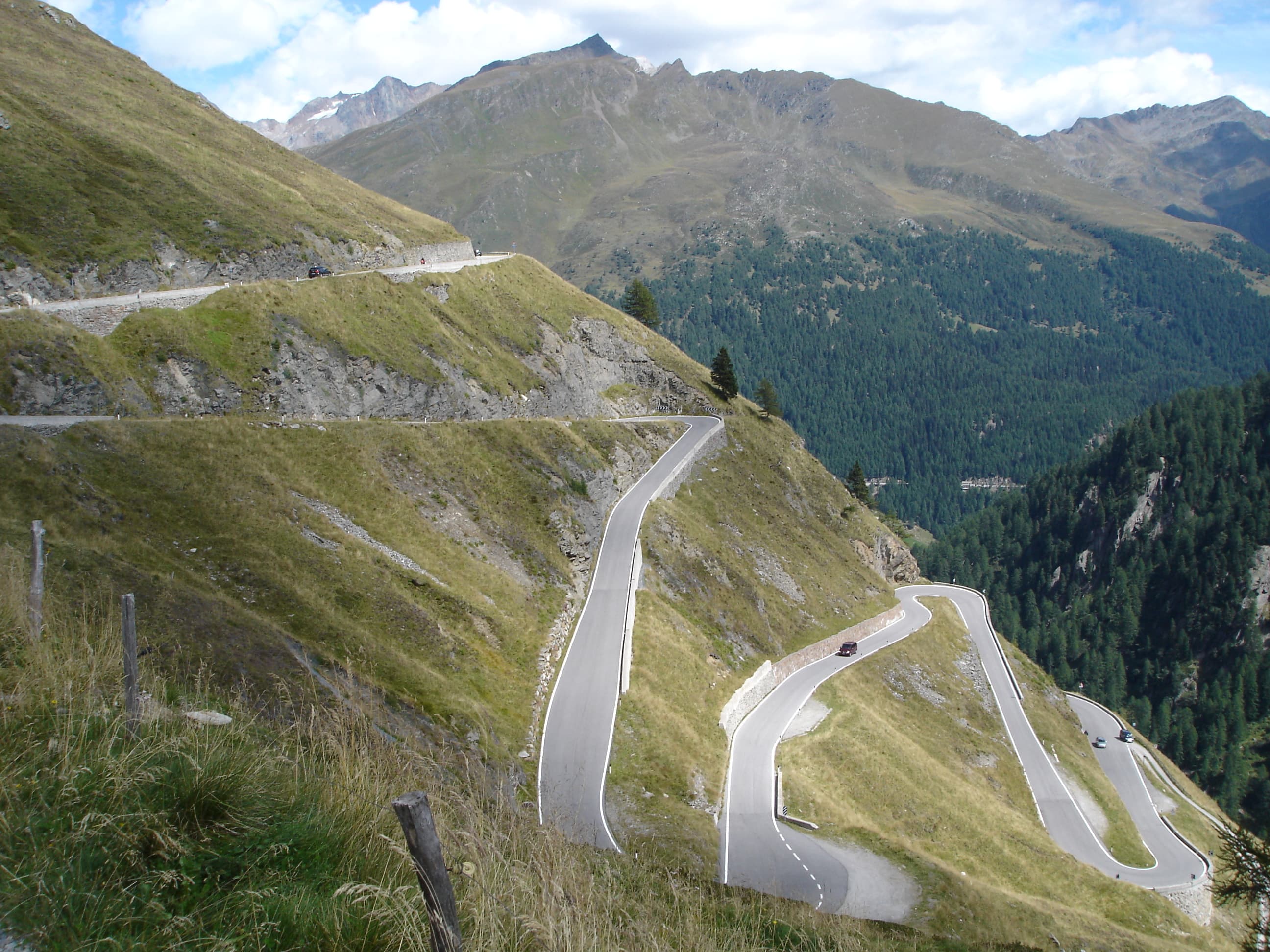
Timmelsjoch
Tyrol / South Tyrol
The Timmelsjoch at 2,474m crosses the Austrian-Italian border between the Ötztal and Passeier valleys.
Country guide
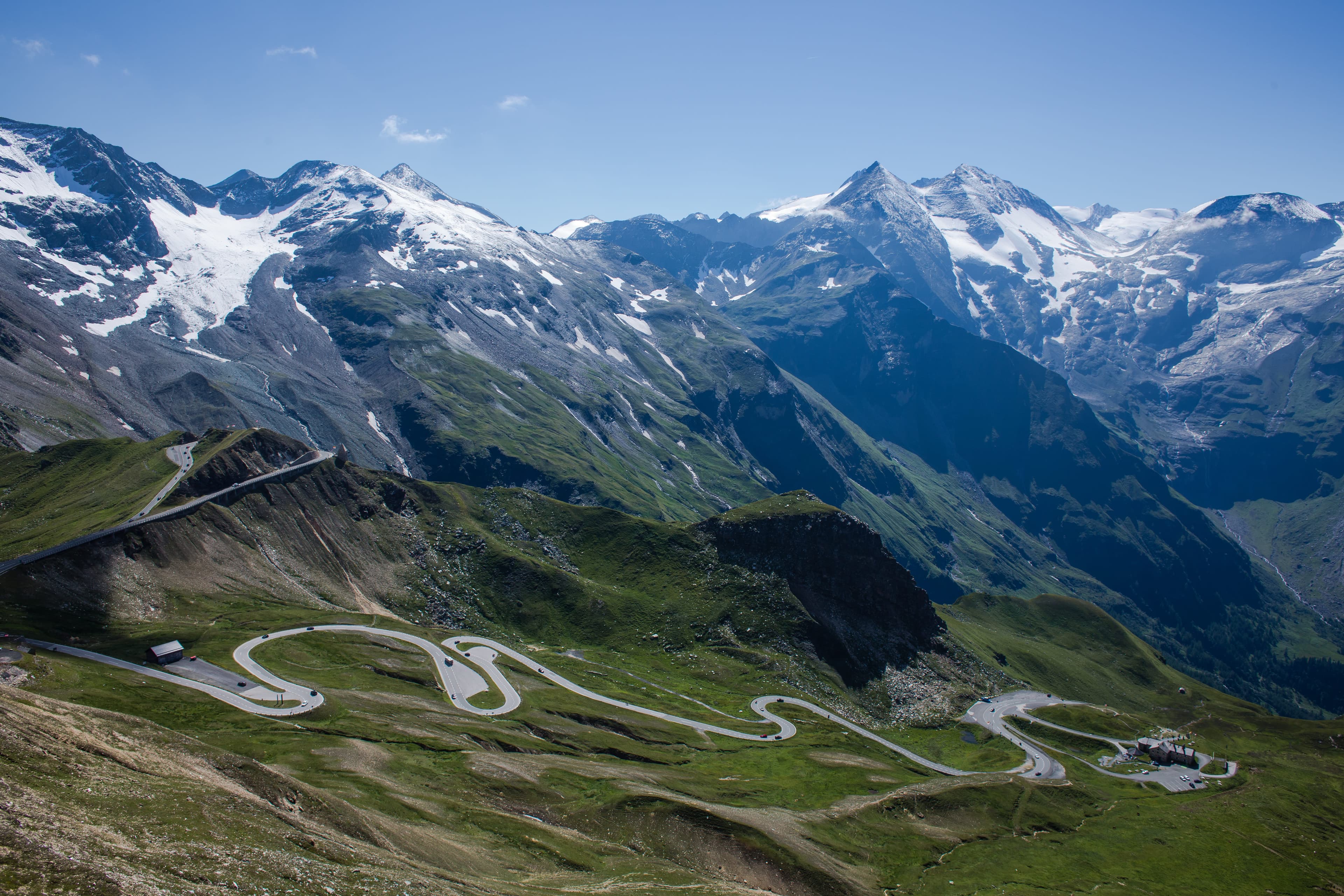
Austria's driving roads are the quieter cousin to Switzerland's headliners — and arguably the better drive for it. The Grossglockner High Alpine Road is the country's calling card, but the real depth lies in Tyrol, Carinthia and Vorarlberg, where roads like the Silvretta, the Timmelsjoch and the Gerlos work the high terrain with less traffic and more flow than their Swiss equivalents.
Surfaces are uniformly good, gradients are honest, and the country's toll structure is transparent: a digital vignette covers the autobahn network, while a handful of premium alpine roads (Grossglockner, Timmelsjoch, Silvretta) charge a separate fee that's almost always worth it. Opening seasons are similar to Switzerland — late May through October for the high passes — though winter sport towns like Sölden and Lech keep the lower routes drivable year-round.
The country pairs naturally with northern Italy: drop south from the Brenner and you're in the Dolomites within an hour. Many of our flagship Austrian itineraries cross into Bavaria or South Tyrol for that reason. If you've already driven the Swiss classics and want a quieter second act, Austria is where to go.
Tyrol / South Tyrol
The Timmelsjoch at 2,474m crosses the Austrian-Italian border between the Ötztal and Passeier valleys.
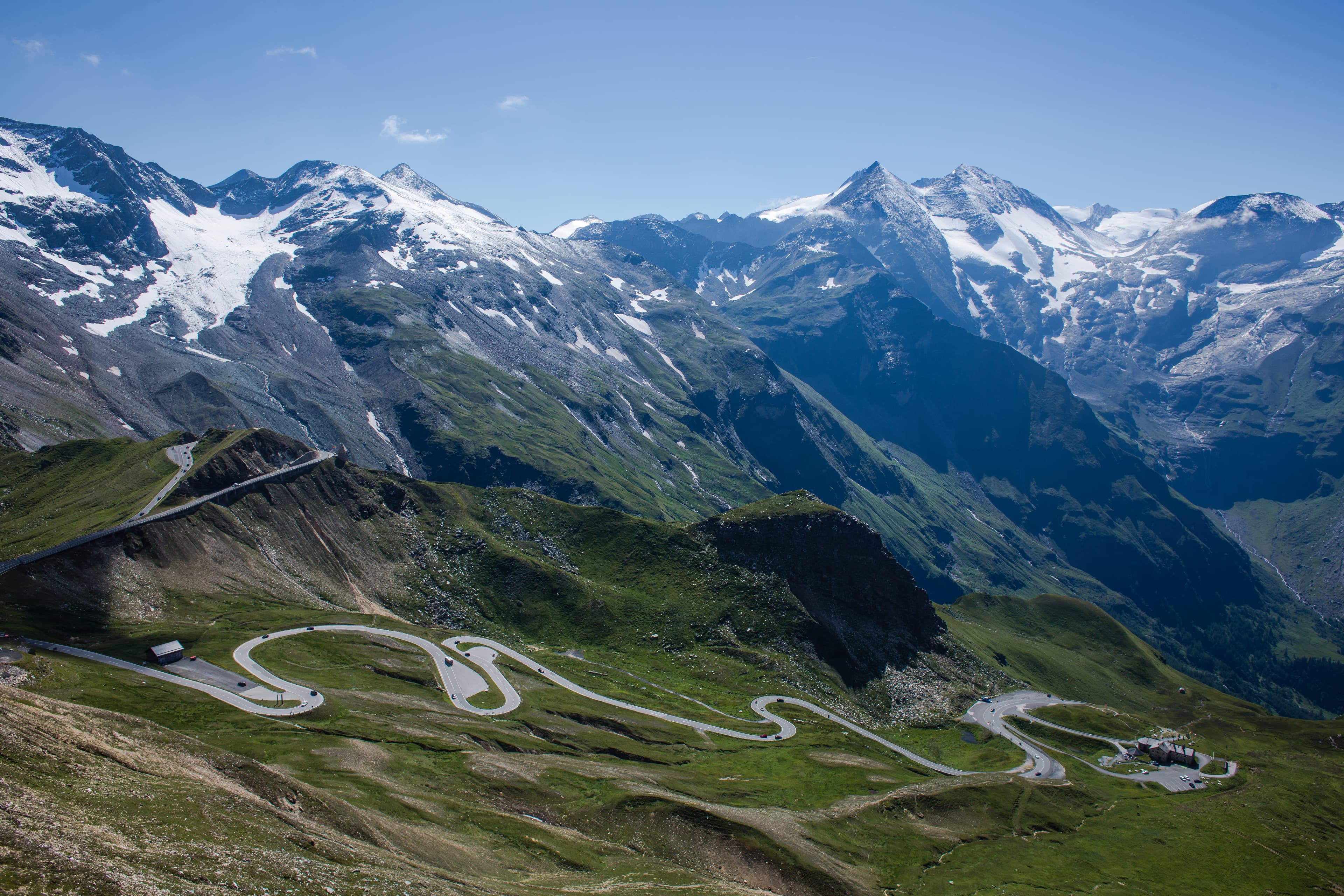
Salzburg / Carinthia
Austria's highest paved pass at 2,504m and the centrepiece of the Grossglockner High Alpine Road.
Salzburg / Carinthia
The full Grossglockner High Alpine Road is a 48km scenic route from Bruck in Salzburg to Heiligenblut in Carinthia — one of Europe's greatest engineered mountain roads.
Use the AI trip planner to build a multi-day route from these roads.
Plan a trip →